Hi everyone, welcome to this new article! If you work in crafts and make things by hand, one of the questions you’ll ask yourself most often is: How much should you sell your products for? What should you charge for a handmade item? How do you work out the right pricing for something made by hand? Whether it’s paracord bracelets, resin jewellery, scented candles, personalised wedding favours, macramé pieces, wood carvings, custom mugs, hand-painted artwork, leather accessories or any other handmade creation, the right price is essential if you want to earn properly and give your work the value it deserves. Setting a fair price doesn’t just mean covering your costs: it means putting a value on your time and your creativity, and not selling yourself short. In this article I’ll explain, from my own experience, how to price your handmade products and the strategy I used back in 2015 when I started out as a hobbyist making paracord accessories.
Who am I?
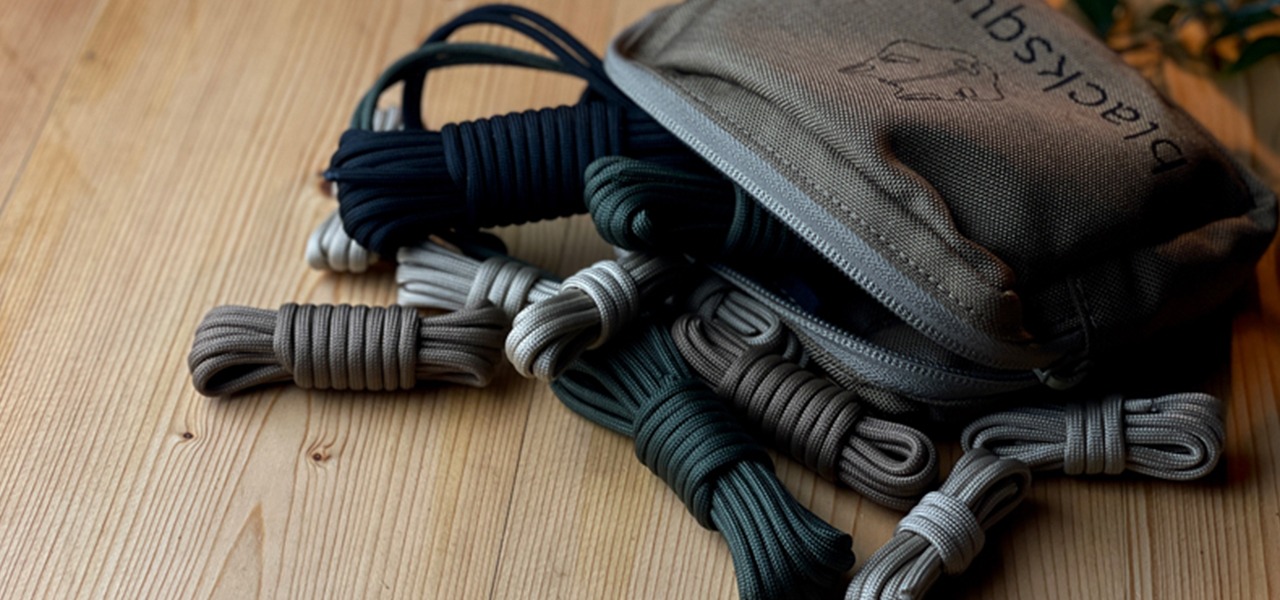
For anyone who doesn’t know me, my name is Vincenzo and I’m the founder of Black Squirrel Paracord Italia, an online store specialising in materials and accessories for making paracord bracelets and keychains. Paracord, short for “parachute cord”, is an extremely strong nylon rope originally used in military parachutes. Thanks to its strength and versatility, it has become a much-loved material in crafting for making accessories that are both practical and good-looking. This particular kind of cord lets you create unique, hard-wearing weaves.
How to work out the price of a handmade product
The price of a handmade accessory can be worked out in many different ways. The first question to ask yourself is: How am I approaching this?
-
Am I doing it as a hobby? (Craft fairs, selling to friends and family)
-
Do I want to make a bit of extra money on the side?
-
Am I setting up a registered business?
The cost of the finished product changes depending on your situation. If you’re working as a hobbyist, there are essentially two main costs: the cost of the materials and the time it takes you to make it. You might also add packaging costs. If instead you have a proper business, you need to factor in rent, taxes, staff, supplies and other fixed costs.
Another important factor is your market. If you sell on platforms like Etsy or through social media, you need to account for their fees. If you have your own online shop, you need to include the cost of running the site and advertising it.
A worked example
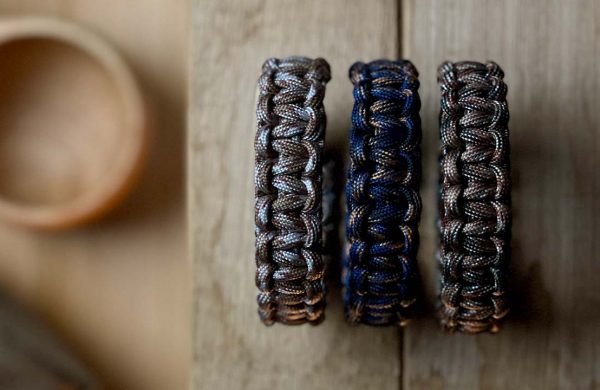
Let’s look at a real case for a Cobra bracelet, one of the most popular paracord bracelet designs. This example is for hobbyist selling, that is without a business structure or VAT registration, and aims to show how to set a fair price taking only materials and labour into account.
-
Cost of materials
-
Paracord: € 0,60 per metre
-
Length of the bracelet: 2,5 metres
-
Cost of the paracord: € 1,50
-
Buckle: € 0,30
-
Materials total: € 1,80
-
Cost of labour
Total price: € 1,80 (materials) + € 3,60 (labour) = € 5,40
Generally, to leave yourself a margin, you round the price up. In this case you could sell the bracelet for € 6.
If you add custom packaging costing € 1, rather than raising the price by just that amount you could take it to € 8-10. Attractive packaging makes the product more appealing both to the buyer and to whoever receives it as a gift.
If we’re not the ones making it, then on top of the labour cost going to whoever produces it, we also need to work in the margin we want on the sale.